One in Three Urban Indians May Have Fatty Liver—And Most Don’t Know It
It rarely announces itself. No pain. No clear warning. Yet, fatty liver disease is quietly becoming one of the most widespread lifestyle-linked health risks in urban India, often detected only when the damage is already underway.
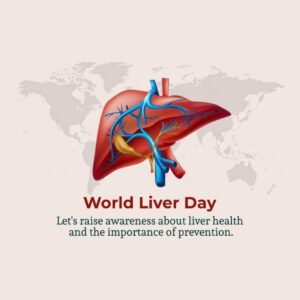
Doctors at CARE Hospitals estimate that nearly one in three urban Indians may be living with fatty liver disease, many without any noticeable symptoms. What was once considered a condition affecting older adults is now increasingly being diagnosed in individuals as young as 30.
The concern is no longer limited to adults. Rising childhood obesity is emerging as an early warning sign. “One-third of school children are obese today, which is a significant risk factor for future liver disease,” say clinicians, pointing to a worrying shift in the age profile of patients.
At the heart of this trend is a changing urban lifestyle, long hours at desks, irregular eating habits, high consumption of processed foods, rising stress, and limited physical activity.
“This is not just a medical issue, but a reflection of how we live today. We are seeing a clear increase in cases among IT and corporate professionals. The risk is significantly higher in those with diabetes, obesity, and hypertension,” said Dr. Ramsagar Vidya Sagar, Senior Gastroenterologist at CARE Hospitals.
The real challenge, however, lies in the nature of the disease itself. Fatty liver often progresses silently. In its early stages, there are typically no symptoms, and many patients discover it incidentally during routine health checks. Others seek medical attention only when the disease has advanced to more serious conditions such as cirrhosis or liver failure.
“Liver problems are often silent and may not show symptoms until they reach an advanced stage. A simple liver function test alone is not enough to diagnose most liver conditions,” said Dr. Sonal Asthana, Senior Consultant – HPB & Liver Transplant. “A comprehensive evaluation, including blood tests, ultrasound, and in some cases a FibroScan, is essential to assess fat accumulation and liver stiffness. Early detection can significantly improve outcomes.”
Doctors emphasise that routine screening must become a habit, particularly for those above the age of 30 or those leading sedentary lifestyles.
“Symptoms such as fatigue, loss of appetite, unexplained weight gain, and abdominal fat should not be ignored,” said Dr. Kumara Swamy, Senior Consultant – Liver Transplant & HPB Surgery. “Self-medication and excessive use of supplements can further strain the liver. Obese individuals, in particular, must undergo regular screening as they remain at significantly higher risk.”
CARE Hospitals has responded to this growing burden by adopting a multidisciplinary approach, bringing together gastroenterology, hepatology, critical care, and transplant teams to enable early diagnosis and timely intervention.
On the occasion of World Liver Day 2026, themed “Solid Habits, Strong Liver,” the message from doctors is direct: liver disease may be silent, but it is far from harmless.
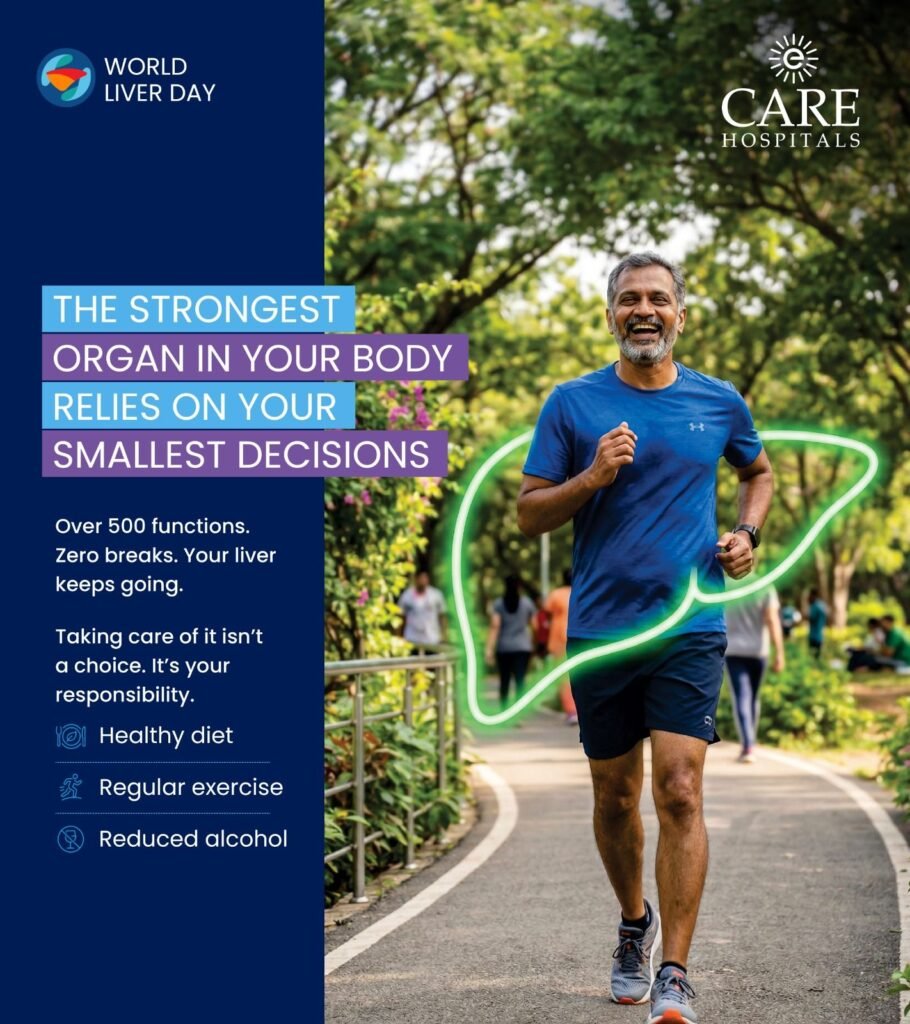
Simple, consistent lifestyle changes, balanced nutrition, regular exercise, limiting alcohol intake, and periodic health checks, remain the most effective defence.
Because by the time the liver speaks, it may already be too late.